2026-10-06 · Mark Johnson
Preparing Kannapolis Yards For Winter Rodent Activity
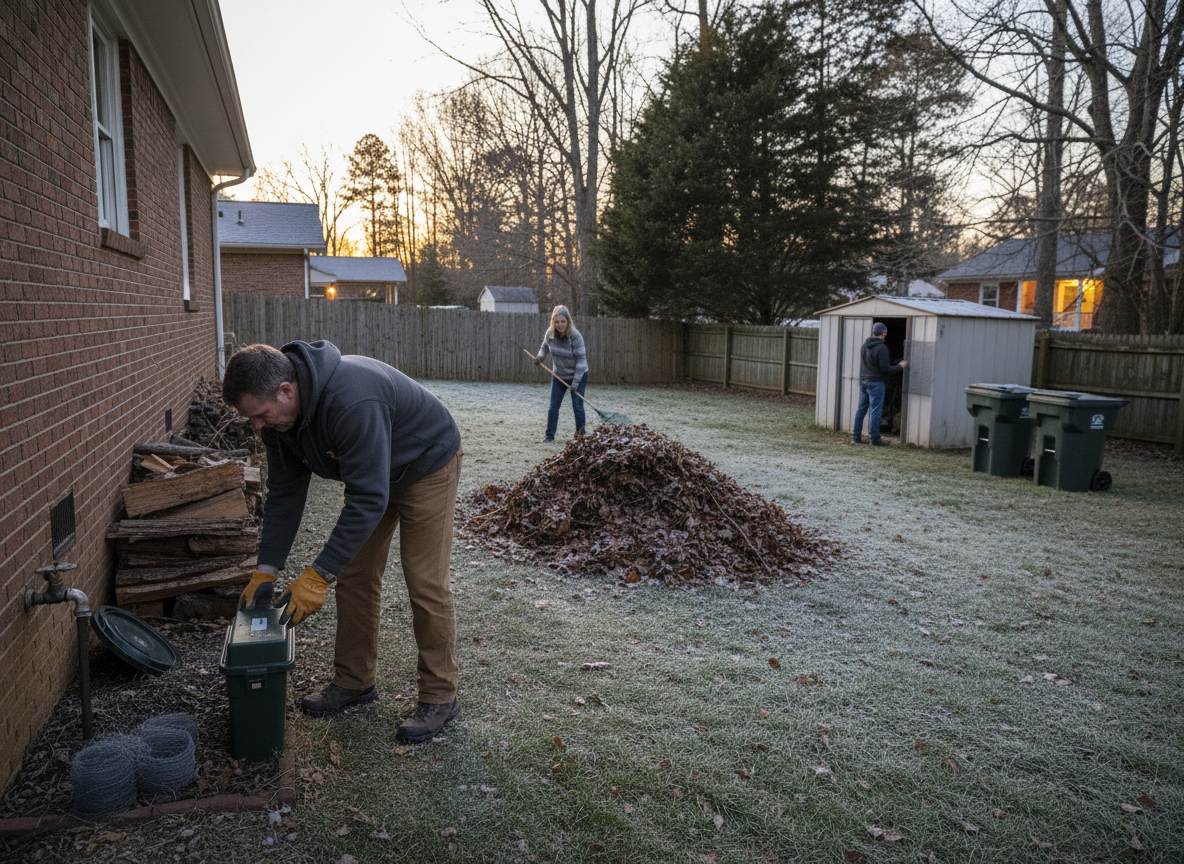
Preparing your Kannapolis yard for winter rodent activity is crucial to prevent infestations, as mice and rats will begin seeking warmer, more sheltered environments as outdoor temperatures drop, typically from late October through December. This proactive approach can reduce the likelihood of rodents entering your home by as much as 70-80% compared to properties with unmanaged yards. The humid subtropical climate of Cabarrus County, with its mild winters, means rodents are active year-round, but the push indoors intensifies when sustained cold weather hits, making early fall the ideal time to implement preventative measures around your property, whether you're in Downtown Kannapolis or the historic Cannon Village area.
Understanding Kannapolis Rodent Behavior in Winter
Rodents in Kannapolis, including common house mice and Norway rats, are driven indoors by two primary factors as winter approaches: a lack of food sources and a search for warmth and shelter. Our relatively mild winters still present a significant challenge for these creatures, especially when overnight temperatures dip consistently below 40°F. They're looking for any crack or crevice to exploit, often finding entry points in older homes common in areas like the Kannapolis Historic District or Westside. These homes, with their settling foundations and mature landscaping, inadvertently offer numerous opportunities for rodents to sneak inside. Once inside, they reproduce rapidly, turning a small problem into a full-blown mouse infestation quickly.
The North Carolina Research Campus, while a modern facility, is surrounded by green spaces that can harbor rodent populations, which then migrate towards nearby residential areas. Understanding this natural migration pattern is key to effective prevention. Rodents are opportunistic, and a well-maintained yard can be a strong deterrent, forcing them to look elsewhere. Ignoring these preparatory steps can lead to costly and inconvenient issues once they've established themselves indoors, often requiring professional intervention like our <a href="/services/mouse-trapping">Mouse Trapping</a> service.
Clearing and Maintaining Your Yard
One of the most effective steps you can take is to eliminate potential harborage sites in your yard. This means a thorough clean-up before the first hard frost. Remove all piles of leaves, brush, firewood stacks directly against the house, and any construction debris. Rodents love to nest in these areas, using them as safe havens to breed and as staging points for their entry into your home. Pay particular attention to areas near your foundation, under decks, and around sheds or outbuildings. If you have a compost pile, ensure it's in a sealed bin and far away from your house, as it's a prime food source and shelter.
Trim back any overgrown shrubs, bushes, or tree branches that are touching your home's exterior walls or roof. These act as literal bridges for rodents, allowing them easy access to upper-level entry points. We often find evidence of mice entering attics via these routes, especially in homes with mature landscaping. Aim for at least 12-18 inches of clear space between vegetation and your home. This not only deters rodents but also improves air circulation around your foundation, which can help with moisture control.
Securing Food and Water Sources
Rodents are constantly searching for food and water, and your yard can inadvertently provide both. Store birdseed, pet food, and grass seed in sturdy, airtight containers, preferably made of metal or thick plastic, and keep them elevated off the ground in a shed or garage. Even small amounts of spilled birdseed can attract a significant rodent population. If you have fruit trees, be diligent about picking up fallen fruit promptly. For those with vegetable gardens, harvest crops regularly and remove any rotting produce.
Address any standing water sources in your yard. Leaky outdoor faucets, clogged gutters, or bird baths can provide essential hydration for rodents, especially during drier periods. Ensure your gutters are clean and draining properly, directing water away from your home's foundation. Even a small drip can sustain a rodent population. Remember, a well-fed and well-hydrated rodent is a happy rodent, and a happy rodent is more likely to try and move into your home for the winter. This is a critical step in overall <a href="/services/preventive-maintenance">Preventive Maintenance</a>.
Inspecting and Sealing Entry Points
Once your yard is clean and food sources are managed, the next critical step is to inspect your home's exterior for potential entry points. Mice can squeeze through openings as small as a dime (about 1/4 inch), and rats can get through a hole the size of a quarter (about 1/2 inch). Walk around your entire home, from the foundation to the roofline, looking for any gaps. Pay close attention to utility penetrations (pipes, wires, vents), cracks in the foundation, loose mortar around bricks, and gaps under doors and around windows.