2026-10-06 · Mark Johnson
Signs Of Mice In Kannapolis Attics And Crawl Spaces
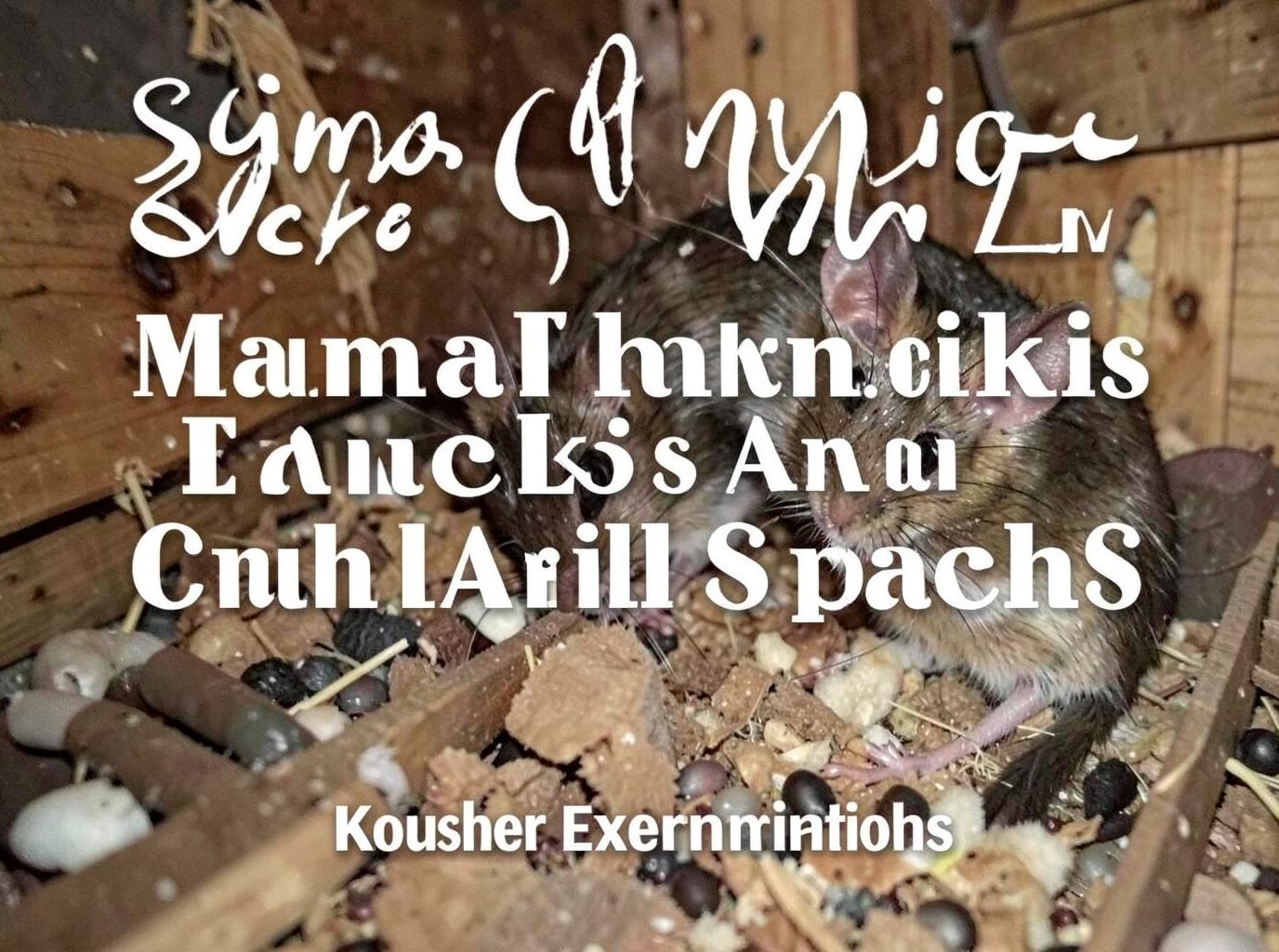
The primary signs of mice in Kannapolis attics and crawl spaces include droppings resembling small black grains of rice (about 1/8 to 1/4 inch long), gnaw marks on wood, wires, or insulation, and distinct scratching or scurrying noises at night. Given Kannapolis's humid subtropical climate with hot summers and mild winters, mice often seek shelter in these protected, temperature-stable areas, especially as temperatures fluctuate, leading them to search for warmth in cooler months or cooler spots during the peak of summer. Older homes common in areas like the Kannapolis Historic District or Cannon Village, with their original construction and potential for settling, often present more entry points and hidden pathways for these rodents to access these secluded spaces.
Understanding Mouse Behavior in Kannapolis Structures
Mice are highly adaptable and resourceful creatures, making them a persistent problem in residential areas across Cabarrus County. They thrive in environments where food, water, and shelter are readily available, and attics and crawl spaces provide excellent cover from predators and the elements. In Kannapolis, the typical housing stock, ranging from historic mill houses to newer constructions, offers numerous entry points, such as gaps around utility lines, unsealed vents, or even small cracks in foundations. Once inside, they establish nests in undisturbed areas, often using insulation, fabric, or shredded paper for bedding. Their nocturnal nature means that while you might not see them during the day, their activity ramps up significantly after dark, leading to the tell-tale sounds and signs that homeowners often report.
Visual Evidence: Droppings and Gnaw Marks
The most undeniable evidence of a mouse infestation in your attic or crawl space is the presence of their droppings. These small, dark pellets are often found concentrated near food sources, along pathways they frequently travel, or around nesting sites. In the tight confines of a crawl space or the dusty environment of an attic, droppings can blend in, but a careful inspection with a flashlight will reveal them. Beyond droppings, look for gnaw marks. Mice constantly gnaw to keep their incisors from growing too long. This gnawing can damage wooden beams, PVC pipes, and critically, electrical wiring. Damaged wiring poses a significant fire hazard, a serious concern for any home, especially in older structures prevalent in areas like Westside. Identifying these marks early can prevent costly repairs and ensure safety.
Auditory Clues: Sounds in the Night
One of the earliest indicators of mice in your attic or crawl space is often auditory. Homeowners frequently report hearing scratching, scurrying, or light thumping noises coming from above their ceilings or beneath their floors, particularly during the quiet hours of the night. These sounds are most noticeable when mice are active, foraging for food, building nests, or moving between different areas of the house. In a quiet Kannapolis neighborhood, these subtle sounds can become quite distinct. These noises can also indicate the size of the infestation; a persistent chorus of scuttling might suggest a larger population than occasional faint scratches. If you're hearing these sounds, it's a strong signal that an investigation is warranted, and a professional mouse inspection might be the next step to confirm their presence and pinpoint their entry points.
Nesting Materials and Pathways
Mice require nesting sites to breed and raise their young. In attics, you might find nests constructed from shredded insulation, cardboard, fabric, or even paper documents. These nests are typically hidden in secluded, undisturbed corners, often near a heat source or a consistent pathway. In crawl spaces, nests might be found closer to the ground, tucked into wall voids or under debris. Look for disturbed insulation or piles of shredded materials. Additionally, mice create distinct runways – narrow paths along walls, pipes, or beams that they repeatedly travel. These runways may appear slightly darker or cleaner than the surrounding dusty surfaces due to the oil and dirt from their bodies. Following these pathways can lead you directly to entry points or nesting areas, providing crucial information for effective mouse control.
Odor and Visual Sightings
A less common but potent sign of a significant mouse infestation is a persistent, musky odor. This smell is caused by mouse urine and droppings accumulating over time, particularly in enclosed spaces like attics and crawl spaces where ventilation is limited. The odor can become quite strong and permeate into living areas, especially on warm, humid days typical of Kannapolis summers. While rare, actually seeing a mouse in your attic or crawl space during daylight hours is a definitive sign of a problem. Mice are generally nocturnal and reclusive, so a daytime sighting often indicates a large population, competition for resources, or that their usual hiding spots have been disturbed. If you spot one mouse, it's highly probable that many more are present. For comprehensive information, our article on what affects mouse extermination quotes in Kannapolis provides valuable insights.